
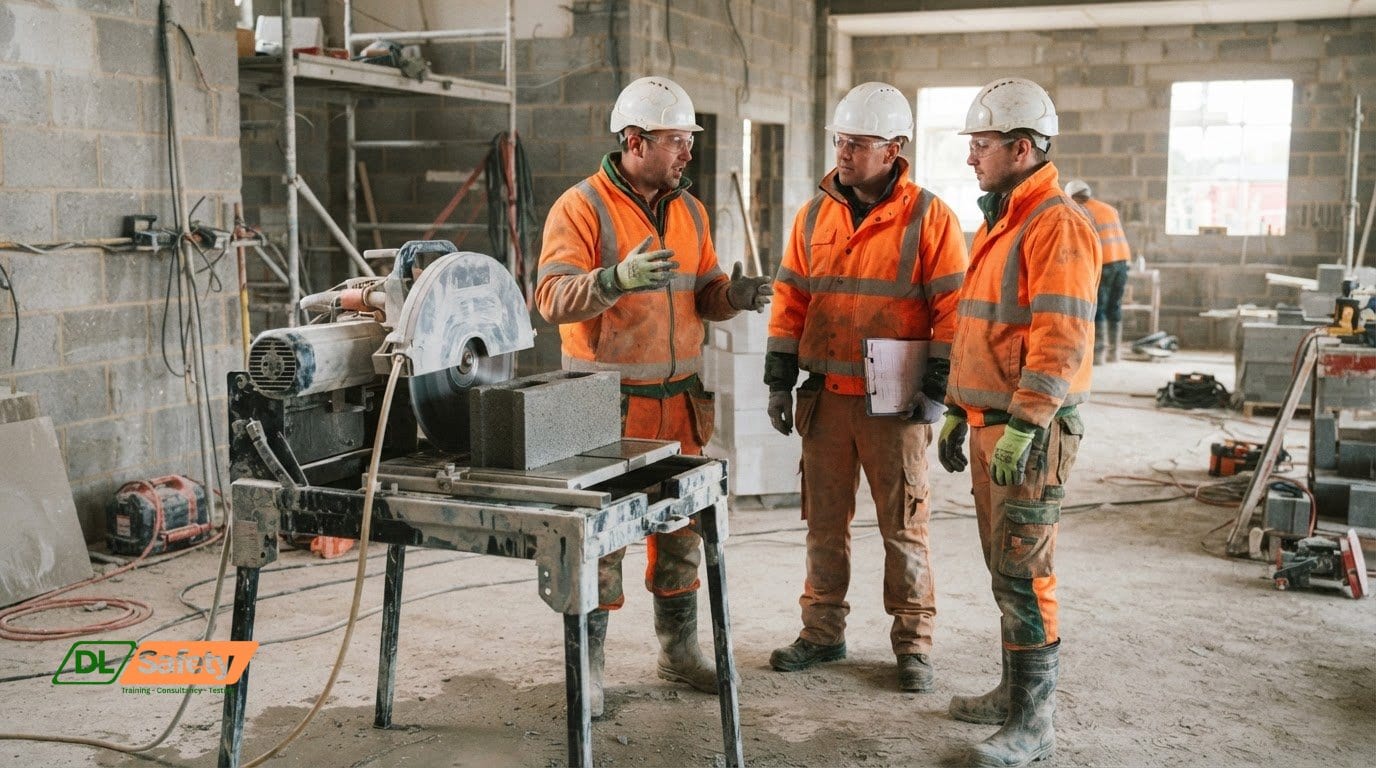
Weekly construction safety meeting ideas are most useful when they reflect the work crews are doing, rather than simply following a calendar. Safety talks are often held before each shift, and many construction companies also meet weekly to discuss changing hazards and safe working practices.
Keeping talks focused can be challenging when site activities change and workers have valuable experience to share. Rather than repeating the same briefing, involve workers and connect each topic to current tasks, site conditions and training needs.
This article explains how often to hold safety talks and how to make them relevant through worker input, job-specific examples and practical training. You’ll find ways to choose timely topics, encourage useful discussion and record what was covered, so each meeting supports safer work instead of becoming a routine announcement.
Key Takeaways
- Set a regular rhythm for safety talks, and use briefings before shifts or changing work when they’re useful.
- Use worker questions and site experience to make discussions practical and encourage people to raise concerns.
- Choose topics that match current tasks, including electrical, noise and respiratory hazards where relevant.
- Address heat stress and hydration in talks when conditions or the work make them relevant.
- Keep safety training records and use site-specific training to address hazards workers face in their tasks.
1. What Can Weekly Safety Meetings Do For You?
A focused safety meeting turns a hazard spotted on site into a clear action before work continues. Useful construction topics include electrical, noise and respiratory hazards, all of which can change with the task, equipment or work area. A cable moved for a new work phase, for example, can create a trip risk as well as an electrical concern. Ask the crew to identify the hazard, explain who could be affected and agree on a control before work starts.
Electrical discussions can cover damaged leads, temporary power and equipment isolation. Before maintenance work, machinery or equipment should be locked out and tagged, and only authorised personnel should carry out that task. Noise talks can help workers identify loud tools and agree how to limit exposure or use hearing protection. Respiratory topics can focus on dust or fumes from the day’s work, the controls in place and the correct use of protective equipment. Explain what product labels and safety information say about safe handling and storage.
Changing conditions deserve attention at every meeting. A delivery route may cross a pedestrian walkway, an excavation may affect vehicle access, or rain may make surfaces slippery. Ask workers to report changes, near misses and damaged equipment promptly, then record the concern and who will address it. Heavy equipment creates risks when vehicles reverse, loads move or people enter operating areas. Discuss agreed routes, exclusion areas, clear signals and how workers can stay visible to operators.
To plan a 10-minute construction toolbox talk, choose one hazard linked to that day’s work, prepare a short example and allow time for questions. Finish by confirming the control, who is responsible and how workers will report a change.
Common construction site hazards in Ireland include falls, slips and trips, moving vehicles, heavy equipment, electrical risks, noise, dust and other respiratory hazards. The relevant examples depend on the task and site conditions, so use the work area itself to guide the discussion.
Publicly available workplace safety resources can provide free construction toolbox talk templates in Ireland. Choose one that suits the task and adapt it to the site. A blank record can also prompt discussion about hazards, controls, workers’ questions and agreed actions.
Construction safety meeting minutes should record the date, time, topics, discussion notes and presenters’ names. Keep the sign-in sheet with the record and have every attendee sign it, documenting both the meeting and its participants.
2. How Often Should Safety Talks Be Carried Out?
Hold safety talks often enough to keep hazards visible as work changes. Construction talks are commonly held before every shift, and many companies also meet weekly. Daily briefings suit immediate tasks, while weekly meetings can review recurring concerns and upcoming work. Use both to address what the crew will actually face.
Regular short discussions can build knowledge steadily. Five minutes of safety discussion each day, five days a week, amounts to over 21 hours of safety education per employee over one year. Daily or weekly talks are generally more effective than discussions separated by long intervals. Just as healthcare practices such as Dental Plus emphasise routine check-ups to prevent minor health issues from escalating, frequent safety check-ins prevent site hazards from going unnoticed. A toolbox talk before a hot-weather task, for example, can reinforce the day’s hydration and heat illness prevention plan.
Heat stress deserves attention when weather, physical effort, clothing or the work area increases heat exposure. Before work begins, identify where workers can take breaks and access drinking water. Agree how water will be kept available and how workers can raise concerns if they feel unwell. During the shift, supervisors should watch for changes in workers’ condition and respond promptly to reports.
Make the heat-related discussion specific to the task. A crew working in direct sun may need a different plan from workers inside a poorly ventilated space. Discuss work pace, available rest areas and how workers can alert a supervisor. New workers may also need time to adjust to hot conditions. Explain the site’s plan rather than assuming everyone knows what to do.
Cold conditions also call for task-specific discussion. Wet clothing, wind and prolonged outdoor work can make workers uncomfortable and affect their ability to handle tools safely. Identify sheltered areas, suitable dry clothing and a way to report numbness or difficulty working. If the weather changes during a shift, revisit the plan instead of relying only on the morning briefing.
Set a regular weekly meeting, then add briefings before shifts or when a new activity changes the risks. Keep the message focused: name the exposure, explain the controls and confirm how workers can report a concern. Record attendance and the topic discussed, so the next talk can build on issues raised rather than repeat generic advice.
For a consistent approach to site safety discussions, explore practical safety support that can help keep planning connected to changing work.
Construction safety briefings are usually held daily. This schedule helps teams revisit hazards linked to the work ahead and focus each discussion on the controls workers need to apply. Invite questions and confirm that workers know how to raise concerns before the task begins.
3. Worker participation in safety discussions
Workers often notice practical risks that a meeting-room discussion misses. A labourer moving materials, for example, may spot that a planned route crosses a delivery path. Ask crew members what has changed, what could cause harm and which control will work for the task. Their observations can turn toolbox talks from one-way announcements into useful site discussions.
Make participation straightforward. Ask an open question about the day’s work, then give people time to respond without interruption. Questions such as “What could change this plan?” or “Where might someone enter the lifting area?” prompt specific answers. If a worker raises a concern, clarify the location, task and people affected before agreeing on the next action.
A short site walkthrough can give the discussion a clear focus. Stand where the work will happen and invite the crew to point out access routes, blind spots or unstable surfaces. For excavation work, workers might identify where machinery approaches the edge or where people need safe access. Discuss the actual layout instead of relying on a generic drawing that may not reflect current site conditions.
Supervisors and managers should join workers in the discussion. Their presence shows that site leadership treats safety concerns as part of operational planning. A supervisor can ask the crew how a control fits the work sequence, then resolve practical issues such as a blocked route or unclear handover. If a concern needs follow-up, name who is responsible and agree when the crew will receive an update.
To check whether workers understood a safety briefing, ask them to explain the key control in their own words or demonstrate the safe step. After discussing a pedestrian route, for example, ask a worker to describe where they will walk and where vehicle movement creates a risk. Correct misunderstandings promptly, then ask another crew member to restate the agreed approach.
Keep the exchange focused on a real task with questions such as “What is the safest way to move this load?” or “Who needs to know before this area changes?” Avoid questions that invite only a yes-or-no answer. A quiet pause can help workers contribute, particularly when a concern involves a familiar routine or a decision made by someone more senior.
Close by restating the concern, control and next action in plain language. Record the issue and follow-up owner in the meeting notes, then revisit unresolved points in the next briefing. This gives workers a clear route from raising a hazard to seeing what happened, and helps supervisors connect crew feedback with changing work.

4. Choosing topics relevant to current work
Choose meeting topics based on the work crews will carry out, rather than relying only on a fixed calendar. Start with the upcoming schedule, then note changes to tasks, equipment, materials or site access. If a crew is preparing to lift a load, a discussion about the lift area and communication is more useful than an unrelated seasonal reminder. Let weekly construction safety meeting ideas reflect the decisions workers will make on site.
Supervisors can follow a simple planning sequence before each meeting. Review the day’s work, identify where the task could expose people to harm, then choose one issue to discuss. Check whether a recent site change affects the plan, such as a delivery route crossing a work area. Ask workers what they need to know before starting and use their answers to shape the examples.
Match the subject to the activity and the people involved:
- Before excavation work, discuss the planned work area, access and how changing ground conditions will be communicated.
- Before a lift, cover the sequence, agreed signals, the load’s route and who needs to remain clear.
- When deliveries are scheduled, review vehicle movements, pedestrian routes and points where visibility may be limited.
- Before maintenance, explain the isolation arrangements and who is authorised to carry them out.
Keep the discussion specific. Instead of choosing a broad topic such as “working safely,” focus on a real task and ask what could disrupt its controls. If materials are due beside an access route, for example, discuss where they can be placed without obstructing movement. These practical weekly construction safety meeting ideas give workers clear examples to apply during their shift.
Use recent observations to shape future topics. A near miss, repeated question or change to the work sequence can show where a briefing needs more detail. Record the issue and agreed follow-up, then bring it back to the next meeting if it remains relevant. This helps supervisors distinguish a one-off concern from a recurring problem that needs fuller discussion.
Keep a short list of possible subjects, but review it against current site conditions before each talk. A topic that suited last week’s activity may not fit today’s crew or work area. Invite workers to suggest subjects based on the tasks ahead, and prioritise the risks they will encounter first. This makes each meeting timely, focused and easier to apply once work begins.
Construction safety talk topics should connect to the work underway and specific examples from the site, keeping discussions grounded in the tasks workers face.
5. Regulatory updates and site safety training
Regulatory updates are most useful when workers can connect them to the task in front of them. Explain the practical change, identify who it affects and clarify what workers must do differently. If a revised site procedure changes access to an excavation, for example, brief the affected crew before work follows the new arrangement. Keep the message grounded in the site process, not a general summary.
In Ireland, toolbox talks are a practical way to discuss work hazards and controls, not a substitute for understanding applicable Irish health and safety requirements. OSHA guidance is not an Irish legal rule, so distinguish it clearly from requirements that apply to an Irish site. Keep the briefing focused on the relevant work, the controls in place and who is responsible for explaining them.
Heat acclimatisation is a useful example of why source and jurisdiction matter. According to the Occupational Safety and Health Administration, its guidance recommends starting new crew members at 20% of a normal shift on their first day and increasing exposure by no more than 20% each day. Present this as OSHA guidance, not as an Irish legal requirement. A site briefing can still prompt discussion about heat exposure, hydration, rest arrangements and how workers report feeling unwell.
Site safety training should relate to the hazards workers face in the work they are doing or will do that day. Before excavation begins, for instance, training can focus on task hazards, safe access and the site’s agreed controls. For lifting work, explain the relevant sequence and communication arrangements. Ask workers to describe the control they will use, then correct any misunderstanding before the task starts.
Make training discussions useful to refer back to by recording the date, time, subject, presenter, key points and agreed actions. Record attendance too, so it is clear who took part. If the briefing identifies a procedure change, note how it was communicated and which crew needs the information. These details help the next supervisor see what was covered without relying on memory.
Review safety information when work methods, equipment or site conditions change. A discussion about dust controls, for example, should reflect the materials and work process actually present, not repeat an outdated example. Keep relevant documents accessible to the people doing the work, and ask questions to confirm they understand the practical steps.
For help making training relevant to site activities, discuss practical safety training support.
DL Safety: Safe T Cert preparation
DL Safety can support your next step with Safe T Cert preparation, helping you organise the safety documentation and processes needed for your application. Turn to this support when your site’s safety arrangements need a structured review alongside regular talks and training. Monthly Safety Support Packages can also provide ongoing assistance, while Lift Plans and GA1 Testing address specific work and equipment needs.
To discuss Safe T Cert preparation, visit www.dlsafety.ie by emailing info@dlsafety.ie or calling 085 8316885. DL Safety’s address is Unit 3D Thurles Business Center, Stradavoher, Thurles, County Tipperary, E41 W880.
Make your next safety step count
A meeting can prompt action, but safety planning should continue between talks. Use the next briefing to identify one practical improvement and decide how it will be carried into the work ahead. This gives your weekly construction safety meeting ideas a clear purpose beyond the discussion itself.
DL Safety offers Monthly Safety Support Packages, Online Safety Courses and Lift Plans to meet different safety needs. Choose the service that fits your next step, whether you need ongoing safety support, online learning or help planning lifting work.
Contact DL Safety to discuss the support that suits your requirements. A thoughtful next step can help keep safety part of everyday planning.
Frequently Asked Questions
How Often Should Safety Talks Be Carried Out?
Hold a weekly meeting as a regular forum, and add briefings whenever work changes need earlier attention. If a delivery sequence changes after the weekly meeting, for example, discuss the impact before the affected work begins. This keeps the schedule dependable without treating it as the only opportunity to communicate. Use the weekly session for issues that need wider discussion or follow-up across the crew.
What Are Some Example Topics?
Useful topics include keeping access routes clear, handling materials safely, checking tool condition and handing work over between trades. When managing fragile equipment or precision instruments, protective storage solutions from specialists such as Foam Packaging Direct illustrate how tailored foam inserts keep gear organised and secure against transit damage. A delivery talk could focus on where materials will be stored and how shared routes will stay clear. A handover discussion can clarify which areas remain active and which tasks are starting next. Choose an example that reflects the crew’s upcoming work rather than covering every subject at once.
What Can Weekly Safety Meetings Do For You?
Joint discussions can help crews spot conflicting assumptions before separate tasks overlap. One team may expect an access route to stay clear while another plans to store materials there. Bringing both plans into the same discussion gives supervisors a chance to resolve the conflict before work starts. Meetings also provide a regular opportunity to raise issues that need coordination across teams, not just within one task group.
Why Are Construction Meetings Important?
Construction meetings help teams coordinate work in shared areas, where one crew’s activity can affect another’s access or sequence. If deliveries, plant movements and pedestrian routes are planned separately, workers may receive conflicting instructions. A short meeting lets supervisors align the plan and explain changes to the people affected. Shared understanding supports safer decisions during the shift and reduces confusion about who is doing what.
What are effective weekly construction safety meeting topics?
Choose subjects that reflect the next stage of work. Before a concrete pour, discuss how workers will access the area and coordinate with other trades. Before materials arrive, review their planned storage location and any effect on shared routes. If work moves to a new area, consider how workers will receive updated instructions. These examples give crews a specific topic they can apply on the job.
How do you make weekly safety meetings engaging for construction workers?
Give workers something practical to respond to, such as a simple site sketch showing a proposed delivery route. Ask them to mark where the plan could cause a conflict, then discuss how to improve it. A short scenario based on a recent site concern can also prompt useful conversation. Varying the format, with a sketch, demonstration or open discussion, helps keep the meeting active and relevant.
